Category: Argentina
The Best Time of Year to Ski and Snowboard in South America
Skiing or snowboarding in South America should be on your bucket-list. The Andes are truly something to experience and when mixed with the culture and the fact that it is winter during our North American summer makes it a must for those of us dreaming of faceshots in the middle of August. Here’s some info about when conditions are at their best for skiing in Argentina…
Continue reading The Best Time of Year to Ski and Snowboard in South America
Best Ski Equipment for Skiing in Argentina: Softgoods
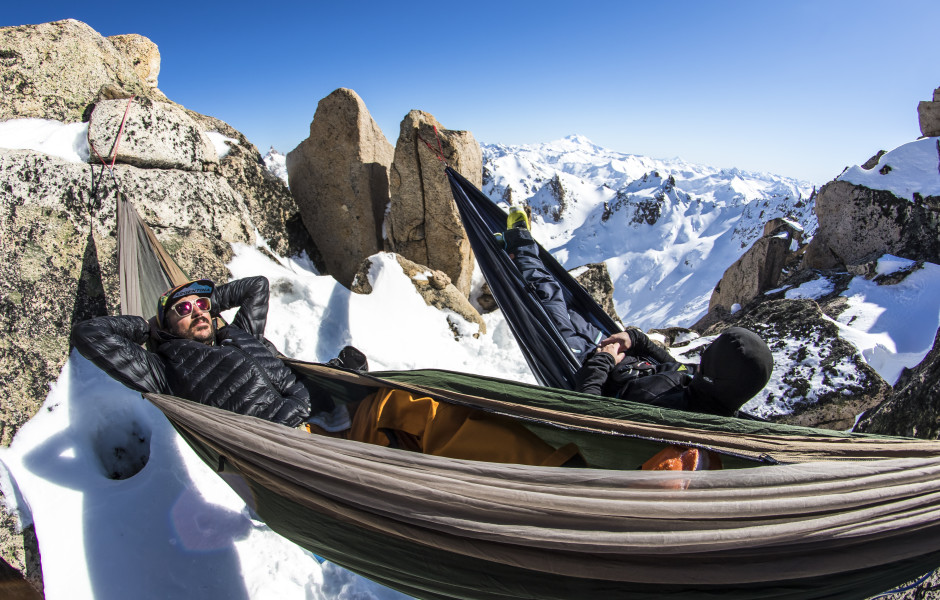
Last week we got you kitted for hardgoods, now let’s move onto to the (arguably) more important side of things: outerwear. Look good, feel good… right?
The trickiest part about dressing properly in Argentina is the variety of weather we experience in the Andes. Not only are these mountains pretty darn close to Chile’s pacific coast, but Bariloche ski areas sit just above an expansive lakes region, making it easy for weather passing through to pick up moisture from the lakes and puke snow unexpectedly for a few hours on the reg. Additionally, Cerro Catderal’s terrain uniquely offers both high alpine AND lower elevation tree skiing which means your outerwear options better be versatile.
Starting on the skin, you can’t go wrong with any merino wool layer. Yes, that’s wool, NOT synthetic. Big difference here. Wool is warm, eco-friendly, and somehow stays (relatively) smell free after heavy use. While some medium-weight tights will easily keep your lower half happy, the upper body can be a bit harder. Start with a lightweight wool t-shirt, and then add on either a thin longsleeve layer or a quilted quarter zip option. It never hurts to be over prepared, so throw a packable down layer in your backpack for emergency scenarios or extensive safety meetings. Smartwool and Icebreaker are a couple of the industry favorites for anything merino wool.
Moving on to outerwear, Argentina does a great job in posing the age old question: hardshell vs. softshell… the answer? Each have their advantages and disadvantages, so ultimately it comes down to the purpose of your trip. While less breathable, hardshells protect against all elements in ski territory: wind, water, wooly mammoths, etc. Stretchier, softer, and much more breathable, softshells aren’t quite as protective, but are more versatile, catering to both uphill and downhill skiing. So if you’re going to stick primarily to inbounds plus some short hike-to sidecountry terrain, stick with the hardshell. But if you’ll be bagging 2000+ ft approaches on everyday of your trip, go with the softshell. If you’re joining us at SASS Argentina (or if you really can’t decide), bring both and you can always sell one to a local at the end of your trip, likely for a pretty good chunk of what you paid for it.

For your lower half, spend the extra $50 and buy a pair of bibbed snowpants. Bibs will make your life easier in a handful of different ways… they’ll keep powder out from the areas that matter, provide core warmth on windy storm days, hold your pants up without the need for a belt, and look incredibly stylish for your ever important après outfit. TREW Gear and Strafe Outerwear make some great technical outerwear, with product lines that include hardshells, softshells, bibs, hoodies, hats, and everything in between. These two companies are two of our staff picks.
Gloves are easy to overlook, but the warmth of your fingers is one of the biggest factors in your overall warmth. We recommend always having an extra pair of gloves in your pack, and if you’re touring, be sure to pack a thin pair that you won’t sweat too much in for the approach. Hestra and Black Diamond make some of the best full-warmth gloves in the game, but if you want to save your money for cervezas and earn street cred by looking like a true ski bum, pick up a pair of Kinco’s from your local home improvement shop. Just remember to bake and Sno Seal them before you put them through the wringer, otherwise you’ll be an unhappy camper. It’s unlikely you’ll need the thickest down mitten on the market in Argentina, most days you’ll be just fine in a medium-weight glove from a reputable company. While most everyday ski companies make a thin glove, don’t rule out Under Armour and their line of cold weather athletic gloves.
Normally we’d include goggles here, but as they are such an important item in your setup, we’ll save that for it’s own blog post down the road, stay tuned for that! As always, don’t hesitate to get in touch with us if you’re considering a ski trip to Argentina! We are the masters of skiing in Bariloche and would love to help you out with planning your excursion. Check out our SASS Argentina program and all the deals we’re offering here.
Best Ski Equipment for Skiing in Argentina: Hardgoods
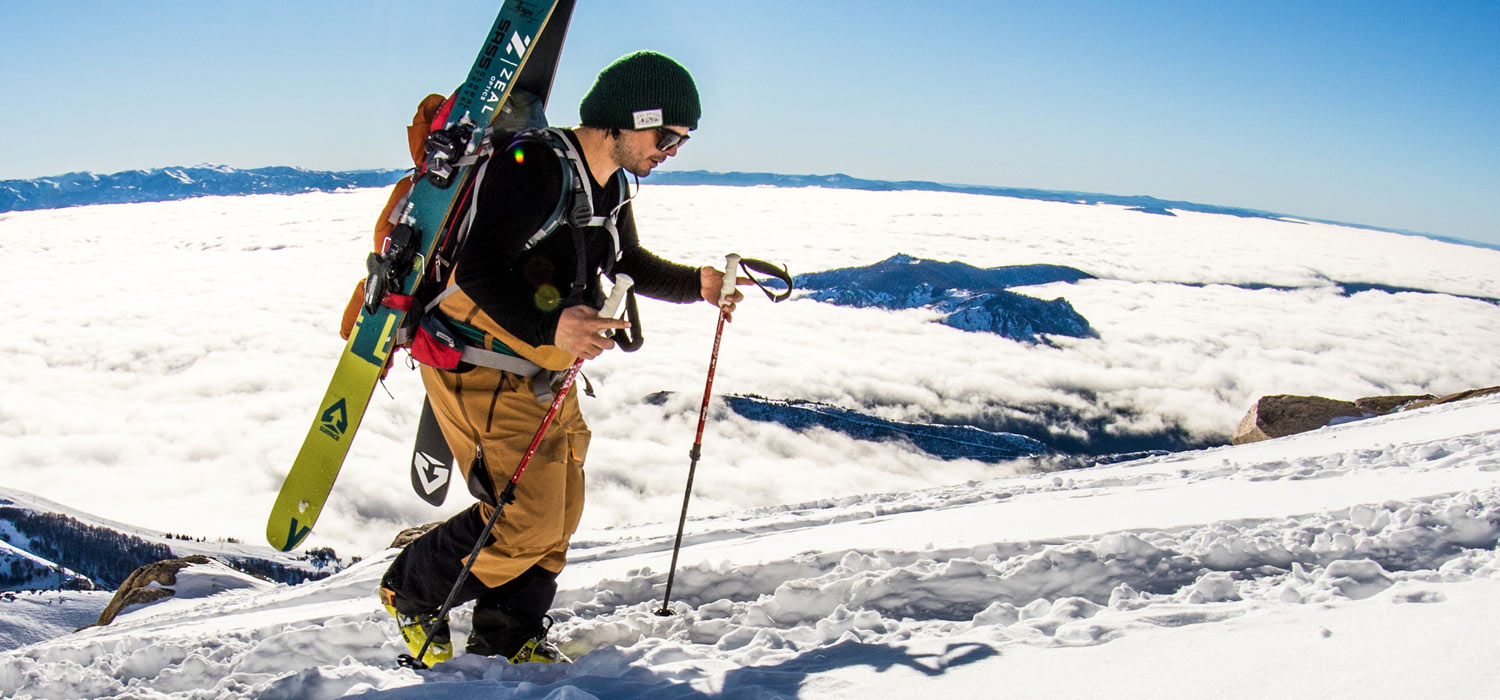
So you’re a diehard skier. You either had an epic season out west and are hungry for more powder, or felt the wrath of mother nature on the east coast and need redemption on you worst season in a decade. Regardless, you’ve booked your ski trip to Argentina (preferably through SASS), and are scratching your head as to what kind of gear you should bring for your summer skiing. Let’s get you covered on the hardgoods side of things…
Going from the ground up, you’ll need a solid set of sticks to guide you down Argentina’s steep, technical terrain. Steer clear of aggressive rocker and overly playful flex patterns (this isn’t Japan), and instead look towards stiffer skis with some camber and minimal rocker. Probably something in the 100-115mm underfoot range. Our staff picks are the Lib Tech NAS POW, Folsom Primary, and Armada Invictus 108Ti. Slap a sturdy alpine binding on these if you’re thinking of sticking to the resort or nearby sidecountry, but if you’d prefer the multi-day backcountry skinning mission, dial in your favorite touring binding and take it from there. Just be sure they’re sturdy enough for Argentina’s terrain and your style of skiing… more often than not it’s a long way down the high alpine steeps of Argentina if you lose a shoe. Staff touring binding choices are the Dynafit Beast, Marker Kingpin, or the SI&I Cast System.

Since you’ll most likely be hiking a good bit, it always helps to have a walk mode on your boots (this also provides you with ultimate après efficiency – a crucial part of your ski day in Argentina). Again to accommodate for Los Andes’ steeps, a boot on the stiffer end of the spectrum (110-130 flex) would be wise. Also make sure that they are comfy… long days and even longer après hours will have you logging some serious hours in these boots. SASS’s staff picks are the K2 Pinnacle 130, Dalbello Lupo TI ID, and Technica Cochise Pro. Lastly, don’t forget ample pairs of ski socks, nobody wants to climb in bed with Mr. Stankfeet after leaving los clubos in the wee hours of the night.
Poles: adjustable with powder baskets, duh. Just buy these.

Here at SASS, safety is an absolute must for our clients and staff. Do yourself a favor and protect your noggin. Please. Pick up a helmet (preferably one made in the last five years) and rock it everyday on the hill. You won’t get made fun of, we promise. Smith and Giro have been making solid hats for a long time, and Pret Helmets is a newer company on the block with some awesome lightweight options. Even more importantly, if you’re going out into the backcountry, carry with you the proper backcountry safety equipment for your mission. At the bare minimum, make sure your whole group has functioning beacons (with 60% or more battery), shovels, and probes, and also make sure you know how to use this equipment. If you don’t have this knowledge or could use a refresher, check out BCA’s Avalanche Safety Guide, or better yet, join us at SASS Argentina and pick up and AIARE certification while you’re down there having the time of your life.
Tune in next week for our Argentina softgoods guide, and be sure to fill out an Argentina Inquiry if you’re looking to go skiing in Argentina this summer.
—
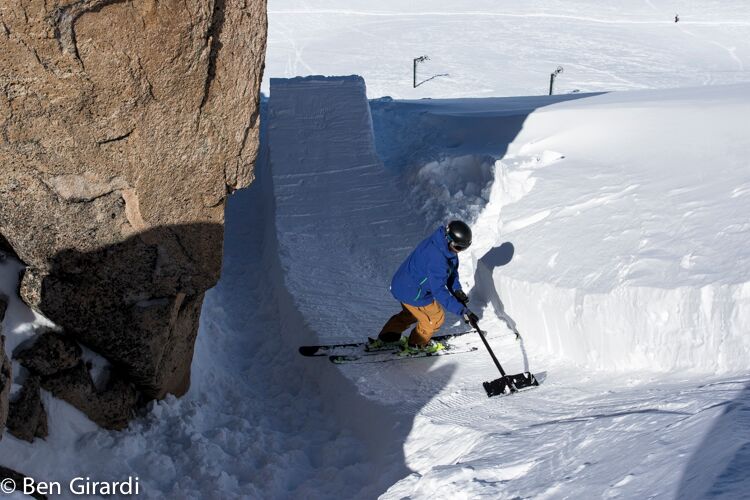
The Story Behind DMOS Collective’s Stealth Shovel
At this point, you may have heard of the DMOS Collective, and you’ve probably wondered what the hell it is? Short answer, DMOS Collective makes a collapsable jump building and shaping tool called the Stealth Shovel. While all of us here at SASS are big fans of the product and actively use it for jump construction and feature maintenance at our on-snow programs, our roots with DMOS are stronger than most would expect.
Ultimately funded by a successful Kickstarter campaign in the fall of 2015, the Stealth Shovel (formerly called the Kicker Tool) was born in bucket list freeride destination, Jackson Hole, WY. After several prototypes and support gained from a handful big name athletes (Travis Rice included), DMOS has a functioning product that needed to gain funding and traction. But, one of the biggest keys to to a successful Kickstarter campaign is a professionally made product video. This is where SASS came into the picture…
In August 2015, DMOS sent team riders Zeppelin Zeerip and Blaine Gallivan along with videographer Galen Knowles down to SASS Argentina on a content gathering missions for their Kickstarter video. This is where DMOS and SASS joined forces… we utilized our knowledge of the terrain and ideal jump locations, while the Stealth Shovels provided us the means to build better jumps. Not only did DMOS collect sufficient footage on a handful of different features during their time in Argentina, but they also picked up athlete support from SASS Guide Andrew Burns, as well as Tim Durtschi who was passing through SASS Argentina for a couple weeks.
After the hugely successful trip, the Kickstarter campaign was successfully funded, and DMOS went into full scale production of their Stealth Shovel.
As we said, this is a product that we are all big advocates of, and you can WIN ONE FOR FREE by being one of the next two registrations for SASS Argentina. Make it happen by following the Registration Link Here!
Not quite ready to pull the trigger? No worries, fill out an Argentina Inquiry and we’ll get in touch ASAP to answer all your questions.
—
It’s Okay To Be a Ski Bum
Calling All College Students: It’s Okay To Be a Ski Bum
So your college years are coming to a close. Those around you are locking in full time jobs and apartments in the city where they can transition from flags and posters on the walls, to expensive art and throw rugs. This is a perfectly normal step in life for many post-grads, but for diehard skiers and snowboarders, we crave something else. Specifically, we often hold a desire to get lost in a ski town and do what we love most for a few years. The question is, will you make this dream a reality?

I, like a very low percentage of my graduating class, chose to take the road less traveled and moved to Jackson Hole the winter after I survived my last set of finals. While some people prefer to send it to their ski town of choice without much of a plan, I chose to take the cautious route, and lined these things up ahead of time. After spending one season in Jackson, here’s a free tip on making a smooth transition: FIND A PLACE TO LIVE. There’s a housing shortage in almost every ski town in the US, and there’s typically more job opportunities with the resort than there are housing options. Whether it’s having bedroom of your own or sharing your buddy’s couch with his dog, get this set in stone and employment will tend to work itself out.
Then there’s the concern about financial comfort, don’t sweat it. If you’re coming out of college, it’s important to consider the time you’re at in life. You likely don’t have a family to support, and mortgage payments on a house are way down the road. With few financial obligations, it’s times like these that make sense if you’re going to follow through on your passions and ski or snowboard as much as possible. While student loans pose a threat, restaurant jobs in ski towns make extremely good money, making obstacles like these manageable.

I’m a big advocate of seeking out opportunity in areas where you are passionate. In order to find a “job” where you’re actually enjoying what you do, you need you immerse yourself in those areas that you hold passion. If this means going to Wall Street and sitting in the midst of big time money transactions, then have at it. But if you’re an expert skier or snowboarder who is looking to take their riding and lifestyle to the next level, there’s no reason you shouldn’t dive head first into a ski town. If you are truly invested, opportunity will present itself.
So as spring comes to a close and graduation dates approach, take a step back and think about what you’d like to do with your 20’s. Summer and fall are great times to make some money in order to send a winter trip to Japan or Europe, or if you’ve already got some coin saved up, consider a backcountry ski trip down to Argentina or Chile for the summer. Students: the time is now!

—
What does El Niño mean for the South American Winter?
Spring has left us, and Summer is in full swing. It’s time to wax up your skis/snowboard and head south for the Winter. Before you make the long trek you need to read all the predictions and forecasts just to make certain of one question; will it be an El Nino or La Nina season? It affects all of us one way or another, some more then others depending on where you ride. This year is an El Niño year and that is a good thing, but I am getting ahead myself, let’s talk about what this all means.
What is the difference between the two?
To start off, El Niño and La Niña are opposing phases of the El Niño-Southern Oscillation (ENSO) cycle. The ENSO cycle describes the fluctuations in temperature between the ocean and atmosphere, where La Niña is the colder phase while El Niño is the warmer phase.

During a La Niña year, winter temperatures are warmer than normal in the Southeast and cooler than normal in the Northwest of the United States. On the opposite end of the spectrum, El Niño consists of a warmer-than-average temperatures over the western and northern parts of the United States. This past season in North America presented a difficult challenge to scientists in identifying the type of year, as it was a neutral year that didn’t take strong characteristics of either season. While California received the lowest amount of snowfall in history, the Northeast had one of it’s best winter seasons in a decade, and places like Michigan were receiving some of the most snowfall in North America.


Typical winter weather impacts of El Nino

Typical winter weather impacts of La Nina.
What does this mean for the South America winter season?
NOAA (National Oceanic and Atmospheric Administration) Climate Prediction Center is calling for El Niño to take effect in the next couple months. This means an excess amount of moisture coming off of the Pacific ocean, and powder to be nuking the Andes mountain range. The photo below is from the 2010 winter season at Catedral Alta Patagonia, Argentina which was an El Nino year.

Between the massive amounts of moisture and the elevation of the Andes, this winter is going to be one for the record books. If you weren’t able to catch all the fresh tracks this winter you were hoping to score, SASS Global Travel has your covered. We offer a full service, big-mountain, backcountry, skiing and snowboarding camp for all ages. We take advantage of the full-on winter conditions to crush pow in the middle of summer. JOIN US!


Las Lenas or Catedral Alta Patagonia: Which to Choose?
In 2007, SASS Global Travel decided to move our ski and snowboard camp from Las Lenas to Catedral Alta Patagonia. Not only does Catedral offer more variety in terrain, but also the mountain provides more promising choice of having your max number of days on mountain while in Argentina. When deciding on South America for a ski/snowboard vacation, we always wish for the most amount of days on mountain, as our policy of shredding South America is a number one priority. To further demonstrate which mountain is the more desirable location, SASS breaks down the two prime Argentinian mountains.

Las Lenas is located in the western part of the Mendoza Province and is famous for its good alpine terrain. However, Las Lenas unfortunately does not have any other terrain to offer, as weather is a big issue. SGT understands this, given our history of waiting for weeks to get a day in of skiing. More importantly, all the powderhounds waiting out the poor weather congregate in the streets, making a total s%!$ show. Argentina does not present itself in the tiny ski town, as the small number of hotels and bars present little night life for our guests. As a result, the SGT crew decided we were unable to fulfill our desire to provide our clients with not only phenomenal skiing/snowboarding but an experience of the Argentine culture. Located 12 miles outside of San Carlos de Bariloche, inside of the Nahuel Huapi National Park, Catedral Alta Patagonia offered that true authentic experience we were looking for.

For more about ski/snowboard excursions visit us at http://sass2016.wpengine.com/argentina/
14 Reasons Argentinians Are Happy
[vc_row][vc_column][vc_column_text]One of the greatest aspects of traveling is the new foods and mealtimes shared with your companions. Argentina’s free ranges provide more than ample room for millions of cattle and other livestock to grow, as the nation’s average consumer houses 150 pounds of beef per year. In addition to the beef, the homemade pastas provide plenty of variety for the weary traveler, while the Mendoza vineyard region produces some of the world’s best bottles of Malbec. To ignore the day long asados however is simply foregoing one of the great cultural traditions of the Argentinians, as the tradition provides a chance for all to become friends while you slow down and grill.

1. The Beef: Argentinians don’t believe in mass produced cattle. The local ranchers create endless plains for their cattle to roam and graze upon, causing a vast difference in taste and quality from American factory beef. It’s no wonder some argue that Argentine beef is the best in the world.
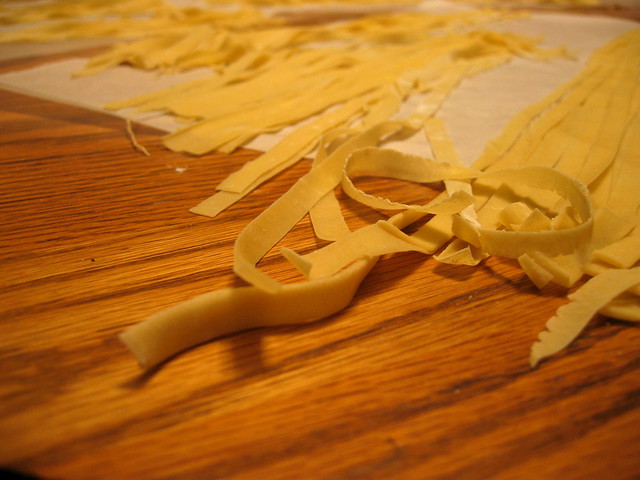
2. The Pasta: After the Great European immigration to Argentina in the early 20th century, millions of Italians settled down and created their own cultural entities to remind them of home. As a result, the pasta here is both authentic and homemade, and rival the mainland Italian dishes.

3. The Hot Chocolate: No more hotel Swiss Miss packets, as the real deal is here. To create hot chocolate of the Argentine variety, otherwise known as submarino, you must melt a whole chocolate bar into a cup of warm milk. Clearly Argentinians do it better.

4. The Milanesa: A good milanesa requires hours of hard toiling in the kitchen. Whenever someone offers you a fresh plate, you know you’re in for a real treat, as traditionally each filet is pounded thin by hand until ready to cook. The recipe for milanesa requires plenty of TLC and broken knuckles.

5. The Medialunas: The French may have their croissants, but the Argentinians have their smaller and sweeter breakfast pastry. These delicious sweets are often served at breakfast with a complementary steaming hot cafe au lait. More importantly, these parties are smaller than a croissant, so naturally you’ll have to eat more than just one.

6. The Tea: Composed of the yerba mate plant, Mate tea is a customary Argentinian drink. The tea is placed into a customary gourd, out of which all of your fellow asado-goers drink from. Don’t worry, the shared metal straw helps build your immune system.

7. The Dulce de Leche: Milky caramel. On top of everything. Enough said.

8. The Sausage Sandwiches: These Choripan sandwiches are quite possibly the greatest sandwich to grace the face of the planet. Forego the crudite, as these sandwiches, made with sausage and sauce, are served as an appetizer at asados.

9. The Handmade Meat Pies: These meat pies are served fresh before an asado. They can satisfy any tinge of hunger, between the chicken, seafood, vegetarian, or beef fillings. Forget anything you every thought you knew about grandma’s cooking, this is the true way to eat meat pies.
.jpg)
10. The Meats: If beef isn’t your one true love, no worries- the asado provides plenty of variety. Traditions dictate that the first course entails offal (similar to sweet breads) and morcilla (blood sausages), followed by those delicious sausage sandwiches. Mixed in somewhere comes the delicious salads, but don’t fill up too soon; you have yet to start eating the real cuts of beef.

11. The Alfajor: Stuffed with dulce de leche, the cookie is delicious enough to satisfy anyone’s cravings for sweets for years. But it won’t, because you’ll want to eat another. And another, since we know everyone love cookies and that’s why a service for sending cookies to someone is popular online now a days.

12. The Fernet: Step it up a notch from Coke and Rum, and drink some of this delightful Italian amaro. This beloved drink is produced in bulk quantity (25 million liters a year) only to satisfy the equally large desires. Try it, and thank us later.
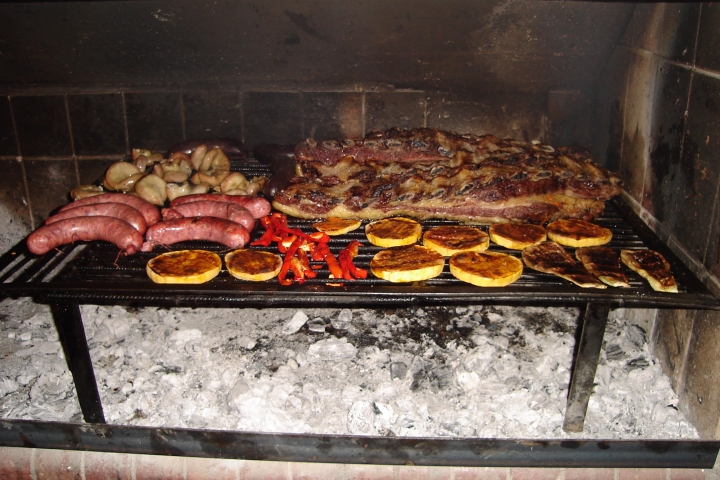
13. The Grills: A true Argentinian home isn’t complete without a real grill. Argentinian grills are nothing to scoff at, as they’re produced to sustain an asasdo, meaning these are capable of slow-roasting thick cuts of beef for hours. Move over, Weber.
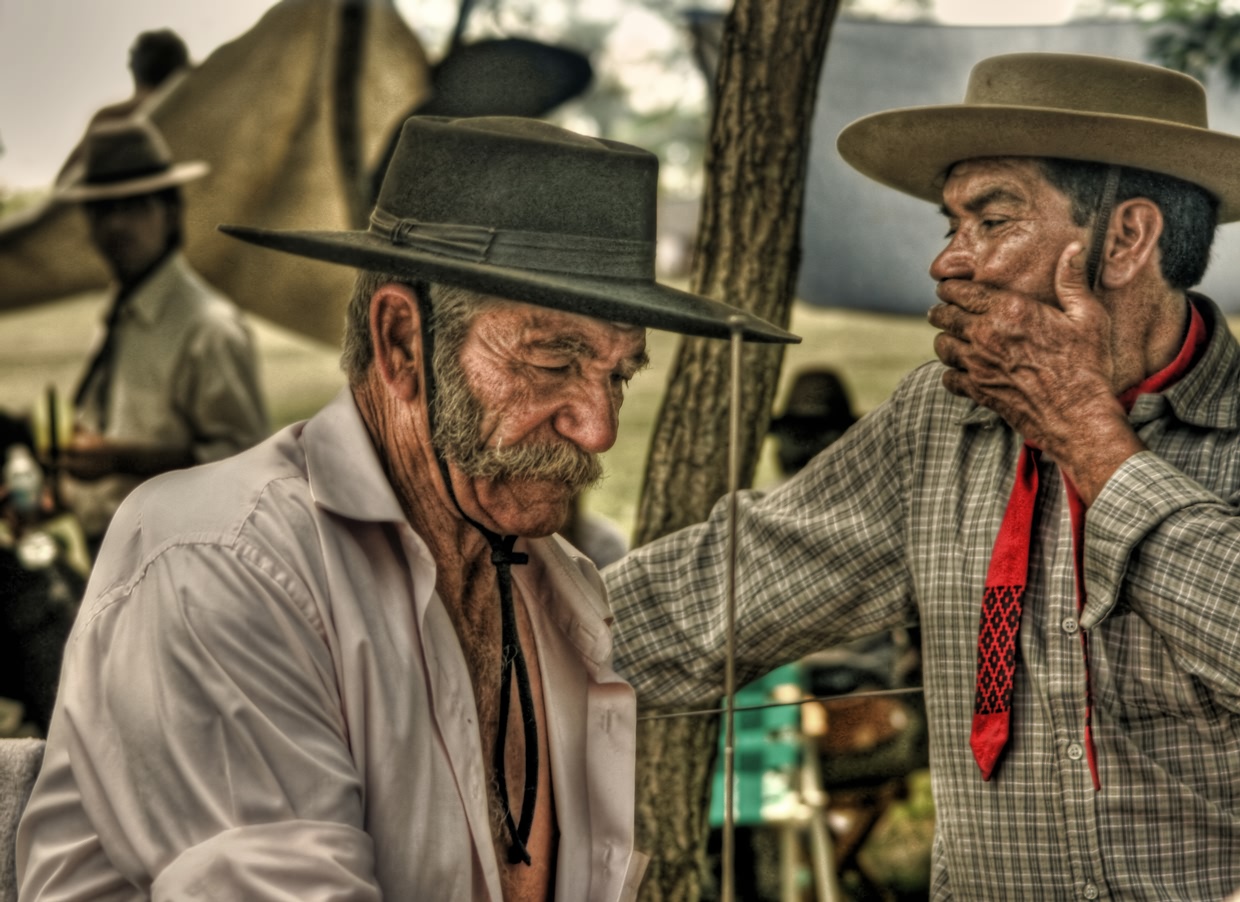
14. The Asado: An asado provides a chance for friends and family to gather and enjoy one of the most traditional pastimes; eating. Between the preparations, the cooking, and eating, everybody gets a chance to connect and enjoy some good quality home cooked food.
Join us today for a once-in-a-lifetime adventure made possible by the SASS family today. Between runs at Cerra Catedral, asado with your friends, or simply experiencing Argentinina culture, there’s nothing like a summer session with the SASS team.

Original Source: 14 Food Reasons Argentines Are Better At Life[/vc_column_text][/vc_column][/vc_row]
A Long Lost City Rediscovered
Our friends over at Teton Gravity Research have come across just another reason to visit Argentina. The world renowned trials biker Danny MacAskill entered Argentina in search of a new area to shoot his latest video, only to settle upon the town of Epecuén. A former tourist hotspot, the village suffered a terrible tragedy when the dams broke in1985, leaving behind a wasteland submerged in 33 feet of water. Overtime, the waters evaporated, with the resulting damage showing itself in the streets lined with gnarled, twisted trees and ramshackle buildings. MacAskill’s creative mind aids him in this video, as the beautiful Argentine landscape only complements his imaginative collections of tricks. Take a look below at just one more reason to come join us for a summer session.